










Buy hockey protection
Buy hockey protection
You don't just buy hockey protection because it is mandatory. You mainly do it because you want to play freely. Hockey is fast, sporty and technical. Yet sometimes you have to deal with a hard ball, stick or duel. Good protection is then not an afterthought. With the right hockey protection you play with more confidence. You also reduce the risk of painful injuries during training and competitions. At ProHockeySport you will find protection for every player. From young beginners to experienced seniors. With the right protection, you can step onto the field well prepared.
Good hockey protection for safe play
Hockey is not a dangerous sport, but the game does require good protection. The ball is hard. A stick can also pack quite a punch. An unhappy moment can quickly hurt. Protection is especially important during quick actions, duels and penalty corners.
The game of hockey is getting faster and faster. Players hit harder, run faster and react more fiercely. Then you want to wear material that fits well. Good protection helps you play safely. It also provides peace of mind during tense moments on the field.
What hockey protection do you need?
There are different types of protection for hockey. Some parts are mandatory. Other parts are especially sensible to wear. They all have the same goal. They protect your body during the game. You can then focus on passing, receiving, running and scoring.
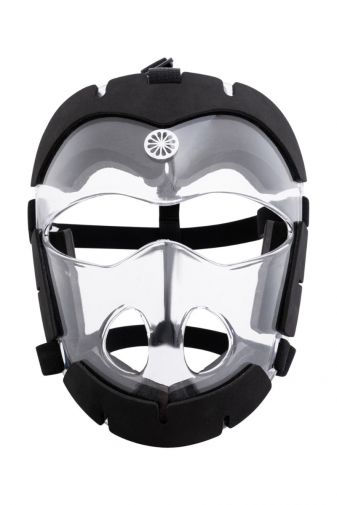
At ProHockeySport you will find shin guards, hockey bits, hockey gloves and penalty corner masks. This protection is available for children and adults. So you can easily choose material that suits your age, level and playing style.
Mandatory protection during hockey
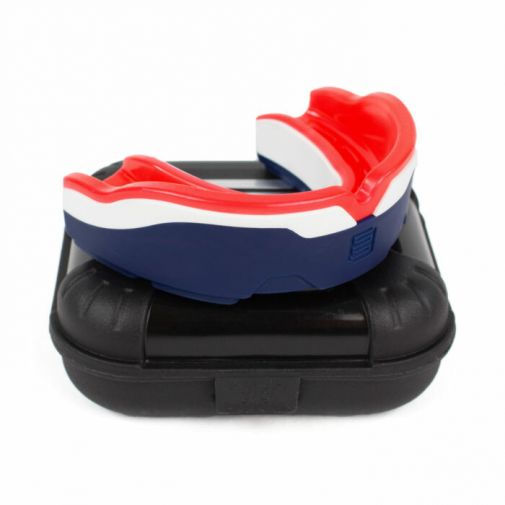
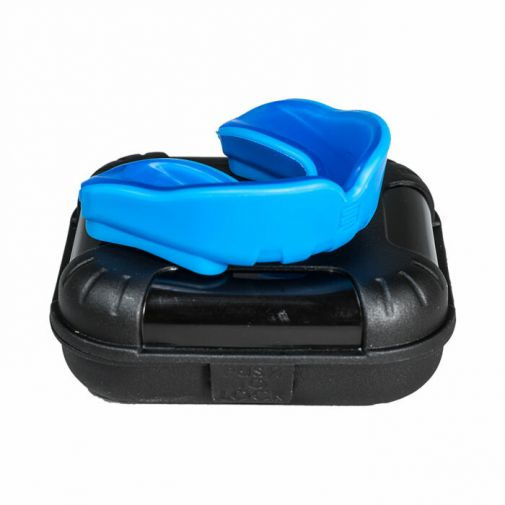
During a hockey match, a mouthguard and shin guards are mandatory. Without a hockey mouthpiece, a referee may send you off the field. That makes sense, because your teeth and mouth are vulnerable during the game. A good mouthguard absorbs blows better.
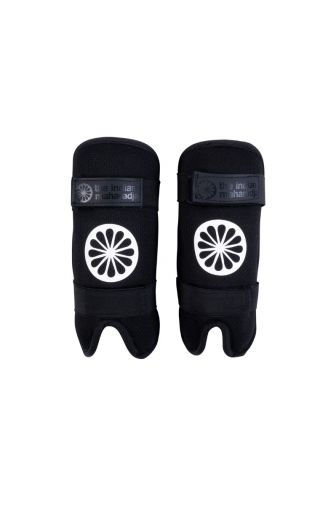
Shin guards are also mandatory during competitions. Preferably also wear them during training. Unexpected situations often arise during training. A ball or stick makes no difference between training and a match.
Buy a hockey mouthguard for mouth protection
A hockey mouthguard protects your teeth, lips and jaw. That sounds simple, but the difference is big. During a duel, a stick or ball can unexpectedly rise. With a well-fitting mouthguard you limit the risk of damage.
A mouthguard must fit comfortably. You want to be able to breathe and talk properly. Therefore, do not choose a random model. Pay attention to the fit, material and size. Then the bit will stay in place better during intensive actions.
Choosing shin guards for hockey
Hockey shin guards cover your shin and often the top of your ankle. That is important because the ball travels low across the field. Sticks also regularly accidentally hit the lower legs. A good shin guard absorbs that impact and helps prevent injuries.
Don't buy shin guards on growth. That seems useful, but it works less well. Protectors that are too large slide more quickly. Protectors that are too small leave vulnerable spots exposed. Always choose the size that fits well now. Use the size chart below as a guideline.
Player height
Recommended size for shin guards
Up to 120 cm
XXS
120 to 140 cm
XS
140 to 160 cm
S
160 to 175 cm
M
175 to 185 cm
L
From 185 cm
XL
Are you hesitating between two sizes? Then choose the size that covers your shin and ankle well, without the protector pressing against your knee. A shin guard must remain firmly in place while walking, turning and sprinting. Always check the size chart of the chosen brand, because the fit may differ slightly per model.
Hockey gloves for extra grip and safety
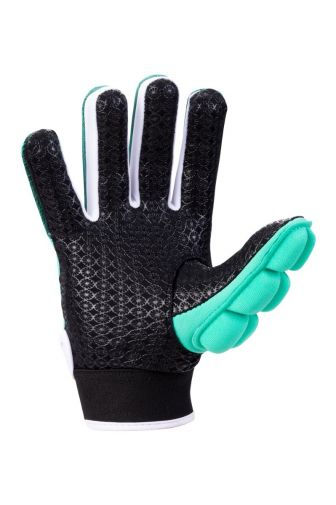
A hockey glove protects your hand during duels. Your left hand in particular often has to endure a lot. That hand is low on the stick. This means that it comes into contact with the ball, stick or the field more quickly. Many players therefore wear a glove on the left side.
There are different types of hockey gloves. Some models have foam on the top. Other models have a hard hood. You also have open and more closed shapes. Choose a glove that suits your position, comfort and playing style.
What size hockey glove do you need?
The right size hockey glove is important for protection and comfort. A glove that is too large will slide during play. A glove that is too tight limits your movement. Then you play less freely. Therefore, always measure your hand first.
This is how you easily determine your size:
Grab a measuring tape.
Choose the hand for which you buy the glove.
Measure the circumference at your knuckles.
This is the widest point of your hand.
Then view the correct size in the size chart.
Circumference of your hand
Recommended hockey glove size
15 to 16 cm
XS
16 to 17 cm
S
17 to 19 cm
M
19 to 21 cm
L
21 to 23 cm
XL
Are you hesitating between two sizes? Then choose the size that fits best without pinching. A